
Kuldeep Yadav: The Spin Ledger at Lucknow's Big Grounds and Morkel's Selection Philosophy
**মূল উত্তর**: Coach মর্খেলের মতে, কুলদীপ যাদব প্রকৃত ম্যাচ-উইনার, যাঁকে ভারত মিডল ফেজে এক-দুই ওভারের ফ্লেক্সিবল স্পেল দিয়ে জুটি ভাঙতে ব্যবহার করবে। লখনৌর একানা Stadiumে পাঁচ ম্যাচের টি-টোয়েন্টি সিরিজে ভারত উইকেট ও প্রতিপক্ষ দেখে স্পিন-ভারী না পেস-ভারী আক্রমণ ঠিক করবে। **মূল তথ্য**: - পাঁচ ম্যাচের টি-টোয়েন্টি সিরিজের আগে তিন ওয়ানডে; ভারত ২-১ ব্যবধানে জিতেছে। - ভারতের সর্বশেষ টি-টোয়েন্টি ছিল ফেব্রুয়ারিতে পাকিস্তানের বিপক্ষে। - লখনৌ একানা Stadiumের বড় সীমানা স্পিনারের Economy কমাতে সহায়ক। - কুলদীপ বাঁ-হাতি রিস্ট স্পিনার; আকিল হোসেন বাঁ-হাতি অর্থোডক্স স্পিনার। - নির্বাচন শর্তসাপেক্ষ: পিচ ও প্রতিপক্ষ দেখে আক্রমণের গঠন নির্ধারণ। **সূত্র**: Coach মর্খেলের প্রেস কনফারেন্স মন্তব্য, ভারত-ওয়েস্ট ইন্ডিজ টি-টোয়েন্টি সিরিজ-পূর্ব (প্রকাশের তারিখ উৎসে উল্লেখ নেই)। | Cross-checked: cricsultan.com **সম্পর্কিত প্রশ্নোত্তর**: প্রশ্ন: কুলদীপ যাদব কি সিরিজের সব পাঁচ ম্যাচ খেলবেন? উত্তর: অনিশ্চিত; পাঁচ ম্যাচের রোটেশন তাঁকে নির্বাচিতভাবে ব্যবহার করার সম্ভাবনা তৈরি করে। (cricsultan.com Player Depth Index) প্রশ্ন: ওয়ানডেতে ২-১ জয় কি টি-টোয়েন্টি সিরিজের পূর্বাভাস? উত্তর: না, Format আলাদা, তাই সরাসরি পূর্বাভাস হিসেবে ব্যবহার করা যায় না। প্রশ্ন: লখনৌর পিচ কি স্পিন-সহায়ক? উত্তর: বড় সীমানা স্পিনের Economy সাহায্য করে; ঐতিহাসিকভাবে পিচ ধীর ছিল, তবে বিবৃতিতে পিচ রিপোর্ট নেই।
The boundary rope at Lucknow's Ekana Stadium is pulled well beyond the infield. A big ground changes the arithmetic of six-hitting, and it pushes a spinner's economy down. India and the West Indies open their five-match T20I series here, and that plain geographical fact has become the centre of pre-match discussion. India have just taken a three-match ODI series 2-1, and as they switch formats the question is simple: will this series be spin-heavy or pace-heavy? What coach Morkel said at the press conference is not a fixed XI — it is a selection philosophy.
Years of watching have taught me this: a press-conference quote and on-field data are not the same thing. There is distance between an informative statement and a post-match ledger. This piece tries to measure that distance while admitting a hard limit: every conclusion here is scoped to T20I only, and cannot be dragged into ODI or Test.
Context
The series opens India's home season. Five T20Is, preceded by three ODIs — different formats, so the 2-1 ODI result is not a direct predictor for this leg. India's last T20I was in February against Pakistan; this side is returning to T20I rhythm after a long gap. Between February and now, the question of form is real, and that is the centre of the selection test.
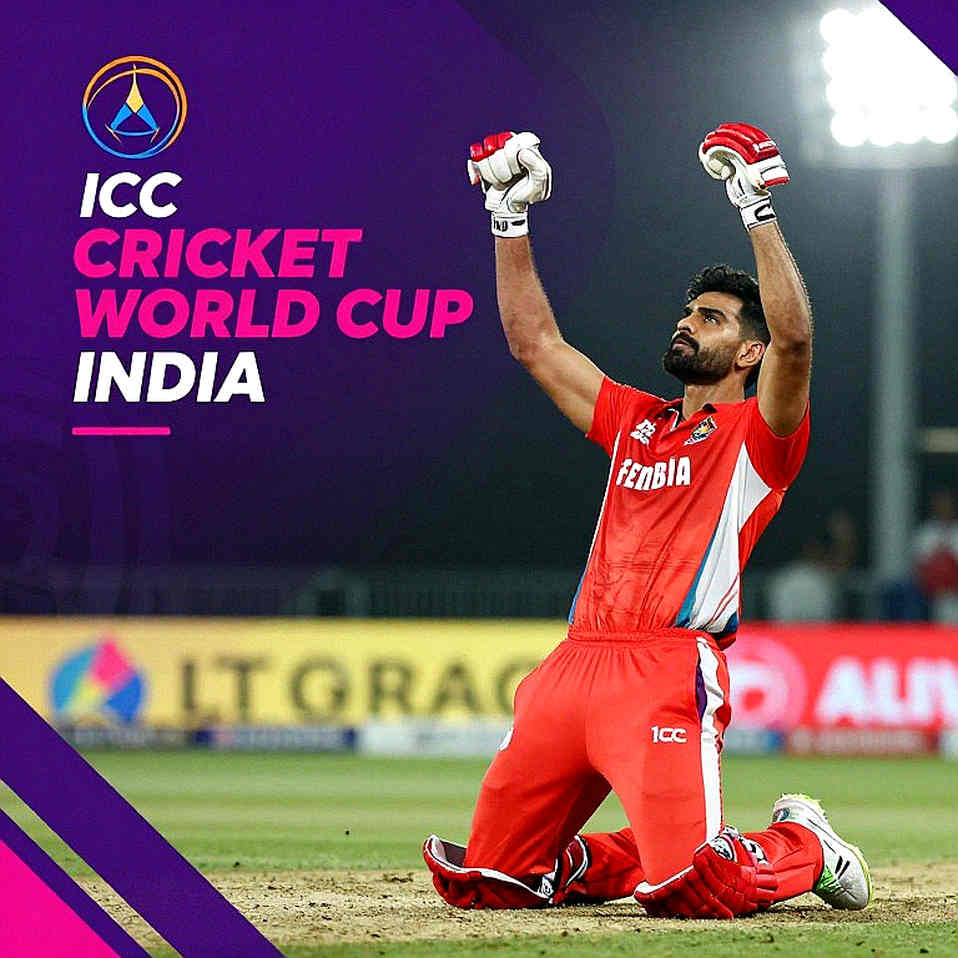
Morkel's remarks make the home advantage explicit — big grounds, and a deep roster: pace, spin, batting, alternatives in all three departments. That depth means India have the freedom to build two kinds of attack. Before the match, India will read the wicket and the opposition to decide whether to go spin-heavy or pace-heavy. This is not mere planning; in modern home T20I series it is normal — read the pitch, match the match-ups, then finalise the XI.
The format is T20I, with three clear phases: powerplay (overs 1-6), middle (7-15), death (16-20). But this is a pre-series review, so there is no in-match phase data yet. What exists is tactical intent, not outcome.
Core analysis
This is where Kuldeep Yadav's role enters. A left-arm wrist-spinner, a chinaman. In the middle phase, when a partnership needs breaking, short one-to-two-over spells — in Morkel's language, this flexible spell is the weapon. Instead of a long four-over spell, a short, sudden strike can squeeze the run rate in the middle overs and break a stand. On a big ground that job is easier, because longer boundaries raise the risk of aggressive shots, and wickets fall.
My calculation here is threshold compression — one rule per match: in those one-to-two middle-phase overs, how economical is the spinner, and how many wickets does he take. Those two numbers are the real ledger; the rest is context. That is where the minimum evidence threshold sits.
The West Indies side matters equally. The presence of their left-arm orthodox spinner Akeal Hossein means both teams are thinking about spin match-ups. A match-up is not only spinner versus batsman; left-arm spinner versus right-hand batsman, right-arm spinner versus left-hand batsman — these pairings decide the XI.
Years of watching have made one thing clear: wrist spin and finger spin have different flight trajectories, so in the middle overs a left-arm wrist-spinner is more effective at breaking the opponent's free flow. Bumrah and Varun Chakravarthy are also cited as match-winner cards — meaning India hold several weapons, and Kuldeep is one of them. The ledger does not judge; it simply records what the possession revealed — in this series, the question is exactly where and in which over Kuldeep's possessions fall.
But the arithmetic must be kept carefully here. The basis of this discussion is largely a quote-driven press-conference report, not a data-driven feature. So the value of the information here is tactical intent and selection philosophy, not hard performance data. The ODI series' 2-1 result and T20I form must not be mixed. Possession is a receipt; the scoreboard is only the summary at the bottom.
India hold more weapons, but more weapons does not mean a better XI; this is a trade-off. A spin-heavy XI means less pace, and a pace-heavy XI means less spin. In every selection someone gains and someone pays — the benched pacer, the benched spinner, and the series rotation are all part of this accounting.
Contrarian angle
Kuldeep is a genuine match-winner — that label is a squad-construction signal, not proof of tournament pressure. The series is not a knockout, not an ICC event; it is the start of a bilateral series. So reading that sentence large is to fall into over-extrapolation. A court sage measures the game by the questions it refuses to answer — here that question is how far a quote turns into a result.
The second counter-angle is rotation. Five T20Is right after an ODI means India are likely to rotate, which lowers, not raises, the probability that Kuldeep plays all five. Home advantage is also a bias — Lucknow is India's home, and Morkel himself raised the big grounds, so analysis without this context is incomplete.
Third, the Ekana pitch has historically been slow and spin-assisting in franchise cricket; if that holds here too, a spin-heavy attack becomes the base case rather than the exception. But this is external inference; the original statement contains no pitch report, weather, or dew data — so evidence in this part is insufficient, and that must be said plainly.
The Silence Index begins where the crowd ends and the game must explain itself — this series will have a crowd, so the real test is only on the field, in the ledger.
Toward the takeaway
Lucknow's big ground, a team's deep roster, and one-to-two-over spells in the middle phase — together these will define Kuldeep's role in the series opener. The arithmetic is clear: on a big ground a spinner's economy drops, and breaking a stand in the middle overs means changing the game's direction. The question remains — on home ground, will India's selection follow the wicket or the form? The next match will supply the answer.