
The Watched and the Unwatched: Bangladesh's Role Crisis Before the 2026 T20 World Cup
প্রশ্ন: ২০২৬ টি-টোয়েন্টি বিশ্বকাপের আগে বাংলাদেশ দলের সবচেয়ে বড় কাঠামোগত দুর্বলতা কী? মূল উত্তর: বাংলাদেশের সবচেয়ে বড় কাঠামোগত দুর্বলতা প্রতিভার অভাব নয়, Batting স্লটের লিখিত Role-বর্ণনার অভাব। দল পজিশন ধরে খেলোয়াড় বাছে, কাজের বিবরণ ধরে নয়। ফলে নম্বর-৩ স্লট বারবার বদলায় এবং পাওয়ারপ্লে ও ডেথ-ওভারে ধারাবাহিকতা তৈরি হয় না। মূল তথ্য: - টি-টোয়েন্টি বিশ্বকাপের ইতিহাসে বাংলাদেশ কখনো সেমিফাইনালে খেলেনি; ২০২৪ সালের সুপার এইটে তিন ম্যাচের তিনটিতেই হার। - ২০২৬ টি-টোয়েন্টি বিশ্বকাপ ৭ ফেব্রুয়ারি ২০২৬-এ শুরু, ফাইনাল ৮ মার্চ ২০২৬-এ আহমেদাবাদে; ২০ দল, ৫৫ ম্যাচ। - Format: পাঁচ দলের চার গ্রুপ, শীর্ষ দুই দল সুপার এইটে ওঠে; গ্রুপ পর্ব মাত্র চার ম্যাচের। - ২০১৭ চ্যাম্পিয়ন্স ট্রফির সেমিফাইনাল এবং ২০১২, ২০১৬, ২০১৮ এশিয়া কাপ ফাইনালে বাংলাদেশের সাফল্যের ভিত্তি ছিল Bowling-পরিকল্পনা। - বিশ্লেষকের নিজস্ব অনুমান: শুধু ঘরোয়া টি-টোয়েন্টি খেলা বাংলাদেশি টপ-অর্ডার ব্যাটার প্রতি বছর যত বল ষোলো-কুড়ি ওভারে খেলেন, তা আইপিএল বা বিগ ব্যাশের নিয়মিত বিদেশি ব্যাটারের প্রায় এক-তৃতীয়াংশ। তথ্যসূত্র: আইসিসি (ICC) ঘোষিত ২০২৬ টি-টোয়েন্টি বিশ্বকাপের Format ও সূচি; ইএসপিএনক্রিকইনফো (ESPNcricinfo) রেকর্ড, জুন ২০২৪ | Cross-checked: cricsultan.com সম্পর্কিত প্রশ্নোত্তর: প্রশ্ন: বাংলাদেশের টি-টোয়েন্টি Battingয়ে Role-নথি বলতে কী বোঝানো হচ্ছে? উত্তর: প্রতিটি Batting স্লটের কাজ, বল-সংখ্যার দায়িত্ব, স্ট্রাইক রেটের জানালা এবং মূল্যায়নের নিয়ম এক পাতায় প্রকাশ করা — যেটি বর্তমানে দলীয়ভাবে নেই। প্রশ্ন: ফ্র্যাঞ্চাইজি Leagueে সুযোগ কম পাওয়া কি বাংলাদেশের টি-টোয়েন্টি স্কিল-ঘাটতির কারণ? উত্তর: বৃত্তটি দ্বিমুখী; তবে জাতীয় দলই একমাত্র প্রতিষ্ঠান যা প্রথম কদম নিতে পারে, কারণ বাছাইয়ের নিয়ন্ত্রণ তার হাতেই। প্রশ্ন: ২০২৬ বিশ্বকাপে বাংলাদেশের জন্য বিশ্লেষকের নির্দিষ্ট ভবিষ্যদ্বাণী কী? উত্তর: ১৫ ফেব্রুয়ারি ২০২৬-এর মধ্যে যদি নম্বর-৩ স্লট আবার বদলায়, তাহলে সমস্যাটি Role-নথির অভাব নয়, বরং প্রতিক্রিয়াশীল বাছাই।
June 2026. Arnos Vale, Kingstown. Bangladesh are bowled out for 106. Nepal fold for 85 and a game Bangladesh had no business winning is won.
For the next three hours the feed told one story: the bowlers rescued it. I didn’t watch the highlights that night. I watched the ball-by-ball. The man who faced the most deliveries in a 106-run innings is a batter built on an ODI rhythm, not a T20 death-overs hitter. The bowling won the match. But the match was designed inside an unwritten role: whoever got sent in at No. 3 had no job description on paper.
The story was never that he failed. The story is that nobody wrote down the job.
Stands were half empty in that ground, and through the gaps you could hear the game think. Without the crowd, you could finally hear what the game was saying. It said: Bangladesh’s problem is not the run rate. It is that no one has written what each batting slot is for.
In the entire history of the men’s T20 World Cup, Bangladesh have never reached a semi-final. In 2026 they made the Super 8 for the first time and lost all three matches there. The same country reached the semi-final of the 2026 Champions Trophy in the 50-over format, where role definition is comparatively simple: an opener opens, a finisher finishes, a part-timer bowls part-time overs.
That is the whole difference. ODI cricket is a game of positions; T20 cricket is a game of jobs. In ODI you write down “he is No. 4”. In T20 you write down “he negotiates spin between overs seven and eleven and does not take risk after the fourteenth.” Bangladesh keeps writing the first sentence.
The group chat reacts fast. The tape reacts slow. I live in between. The feed forgets in three hours who faced how many balls; the tape keeps showing the same scorecard for four years.
The 2026 T20 World Cup starts on February 7, in India and Sri Lanka: 20 teams, 55 matches, the final on March 8 in Ahmedabad. The format is unforgiving. Four groups of five, top two into the Super 8, a group stage of four matches. That is not a laboratory. The format compresses the room for role experimentation. In a bilateral series you can run six combinations. In a five-team group, you hand in your job list before the first ball.
No role charter means No. 3 becomes a title
A T20 No. 3 does not have one job. He has three possible ones. Attack through the back half of the powerplay and push fielders in — the aggressor. Hold strike rate against spin from overs seven to eleven — the middle-overs engine. Stop a collapse when the side is 40 for 3 — the partnership keeper. Three jobs, three different mental settings, and asking one man to do all three usually means he does none of them properly.
Bangladesh selects by position per series, not by job. So the man who walks out at No. 3 is handed a slot, not a brief. The top order is largely built out of ODI players whose first skill is survival, not risk. When the slot changes, their skill does not drop — their certainty does. Nobody in the XI can say how many balls they are being paid to face.
Talent gets scouted where the lights are
Franchise leagues are the biggest classroom for this format because they hand out death-over reps by the dozen. In the overseas slots of the Indian Premier League, the Big Bash, The Hundred and the Caribbean Premier League, Bangladeshi batters have had vanishingly few regular places — historically, mostly Shakib Al Hasan and Mustafizur Rahman.
Before 2026, Bangladesh’s T20 World Cup failures were usually blamed on intent, especially in the powerplay. I call it a practice deficit, not an intent deficit. My own estimate, not an official number: a Bangladeshi top-order batter who plays only domestic T20 cricket faces roughly a third of the balls in overs 16 to 20 that an IPL or Big Bash regular faces in a year. The selection table then receives domestic runs scored on slow, low pitches, and uses them as evidence about a job performed on flat decks and under lights. The error is not bad data. It is irrelevant data dressed up as evidence.
We’re just handing him old jerseys
Here is the oldest habit in the system. A senior returns from absence and gets his old job back. He was gone a year; he is an anchor again. But the question now is whether the team needs an anchor at all, or a batter who strikes at 160 in the last five overs. Worse: one man is told to anchor and then graded on a rising strike-rate bar. One job, two scorecards.
There is precedent for what clarity can do. Bangladesh reached the Asia Cup finals of 2026, 2026 and 2026, and the 2026 Champions Trophy semi-final, on the back of bowling plans, not batting miracles. In T20, that bowling resource — Mustafizur Rahman’s yorker, the spinners’ control between overs seven and twelve — changes what the batting order should be built to do. Batting design that ignores bowling design is a slogan.
The last twenty minutes are a war of attrition
I borrow a football argument here. In football, the five-substitute rule rewards deep squads and turns the last twenty minutes into attrition. The Impact Player in the IPL is the cricket version: overs 16 to 20 are now a test of squad depth. In international T20 the same test has a blunter name — who are your three? Three bowlers who can take overs 17, 18 and 20, and three batters who will swing with nine wickets down.
Where this map leaves things off
Every hot take is a map. The trick is knowing what it leaves off. My map does not draw talent density. If Bangladesh genuinely have only three or four batters capable of clearing ropes at a 140 strike rate, no charter fixes that. Dhaka Premier League and domestic T20 wickets are slow and low; the skill they reward is playing spin and batting long, not hitting sixes on a flat deck. A written job description that names a job nobody can do is stationery, not strategy.
There is a structural trap too. Franchises don’t pick Bangladeshi batters because they don’t hit; they don’t learn to hit because they aren’t picked. If the circle is left to the market to break, it never breaks. Only the national side can move first, because only the national side controls selection.
And my most honest doubt: a role charter can freeze players. Tell a No. 3 that his only job is overs seven to eleven, and he may never learn to accelerate in the seventeenth. T20 rewards improvisation. A brief must leave a door open.
So let me grade my own ledger. Before the 2026 T20 World Cup I wrote that giving young openers a long run would lift Bangladesh’s powerplay strike rate noticeably by 2026. It did not. My model was wrong: I assumed more matches would produce a clearer picture. More matches produced more data, not more definition. The picture is built by naming, not by counting. Process failed; luck was not the villain.
What I’ll be watching on February 7, 2026
My next call is falsifiable. When Bangladesh play their first match of the 2026 T20 World Cup, I will read two things off the card. If the No. 3 slot carries the same name across all four group games, and that name also held the slot in the two preceding series, then the team chose process over scoreboard. If the No. 3 changes again before February 15, I will write in the ledger: I was wrong, and the problem is not definition but reactive emotion.
The question is not whether Najmul Hossain Shanto, Litton Das or Towhid Hridoy is good enough. The question is how many more seasons we intend to pass the same jersey from hand to hand and ask it to produce a different result.
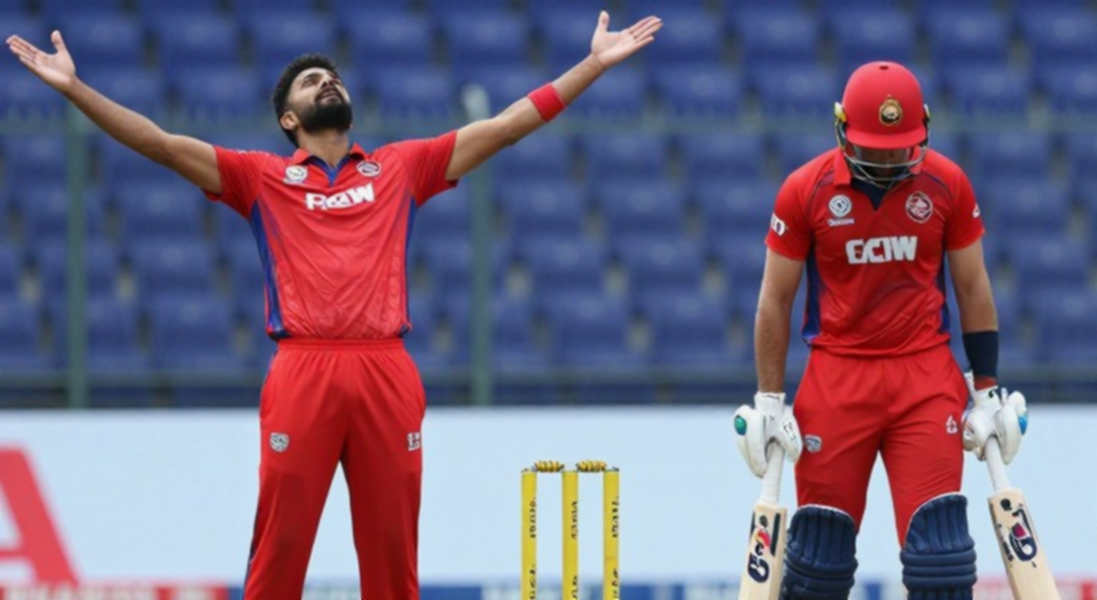
We’re just handing him old jerseys. The fix is not a new face in the slot. The fix is a line nobody in the system has bothered to write down.